Branchiostoma
The Puzzle: “almost vertebrate” নয়, বরং একটি স্বতন্ত্র chordate design
Branchiostoma বা amphioxus/lancelet দেখতে ছোট fish-এর মতো। Adult stage-এ notochord, dorsal nerve cord, pharyngeal slits এবং post-anal tail সবই থাকে। তবু এটি vertebrate নয়।
এখানে key lesson:
Similarity affinity দেখায়; diagnostic differences taxonomic boundary নির্ধারণ করে।
এই lecture শেষে তুমি পারবে:
- systematic position, habitat ও morphology লিখতে;
- কেন “cephalochordate” বলা হয় তা বুঝতে;
- feeding mechanism-এর water route ও food route diagramসহ explain করতে;
- circulation chambered heart ছাড়াই কীভাবে চলে তা বলতে;
- digestive, excretory, nervous ও reproductive features outline করতে;
- vertebrates ও tunicates-এর সঙ্গে affinity scientifically discuss করতে;
- Branchiostoma-কে “living ancestor” বলা কেন ভুল তা explain করতে;
- ক/খ/গ model answer তৈরি করতে।
1. Systematic Position
NU-friendly framework
- Phylum: Chordata
- Subphylum: Cephalochordata
- Class: Leptocardii
- Order: Amphioxiformes / Branchiostomiformes (sourceভেদে terminology)
- Family: Branchiostomatidae
- Genus: Branchiostoma
Why “Cephalo-chordata”?
Notochord body-এর anterior end পর্যন্ত extend করে, head region-এর ভেতরেও পৌঁছায়—এই feature group name-এর historical basis।
2. Habitat and Mode of Life
Branchiostoma shallow marine sandy bottom-এ থাকে।
Typical behavior:
- body-এর posterior অংশ sand-এ burrowed;
- anterior end বাইরে থাকে;
- water current থেকে suspended food collect করে;
- free-swimming হতে পারে, কিন্তু normal feeding posture semi-buried।
3. External Morphology
Body:
- elongated;
- laterally compressed;
- translucent;
- fish-like কিন্তু true head নেই;
- paired fins নেই;
- median fin folds থাকে;
- mouth-এর চারপাশে oral cirri;
- ventral atriopore;
- posterior anus;
- anus-এর পর post-anal tail।
Myotomes
Body wall-এ V-shaped serial muscle blocks বা myotomes থাকে।
এগুলো:
- locomotion-এ কাজ করে;
- vertebrate axial segmentation-এর সঙ্গে comparative importance রাখে।
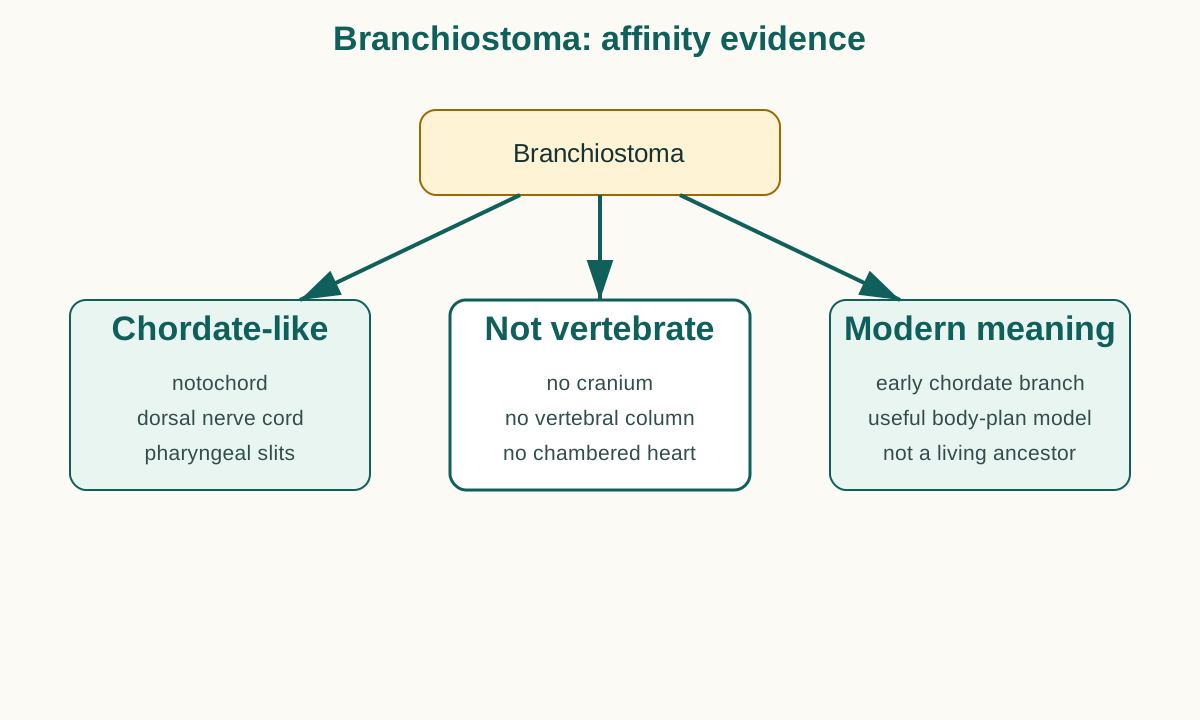
4. Adult-এ পাঁচ chordate hallmark
Branchiostoma exceptional কারণ adult stage-এ classic chordate set retain করে।
- notochord;
- dorsal hollow nerve cord;
- pharyngeal slits;
- endostyle;
- post-anal tail।
কিন্তু vertebrate নয় কেন?
কারণ:
- cranium নেই;
- true vertebral column নেই;
- neural crest-derived vertebrate complexity নেই;
- chambered heart নেই;
- paired kidneys/complex paired sense organs vertebrate level-এ নেই;
- jaws ও paired appendages নেই।
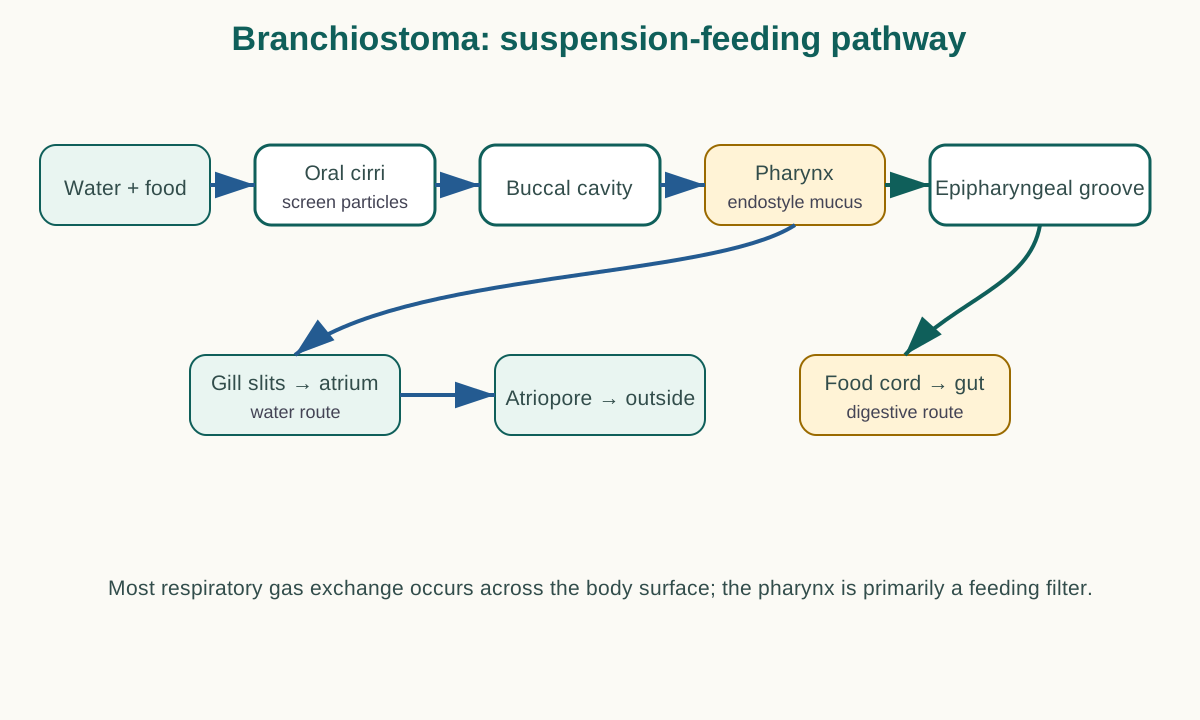
5. Feeding Apparatus-এর Overview
Branchiostoma suspension feeder।
Major parts:
- oral hood;
- oral cirri;
- wheel organ/ciliary structures;
- velum;
- large pharynx;
- numerous gill slits;
- endostyle;
- epipharyngeal groove;
- atrium;
- atriopore।
6. Feeding Mechanism Step by Step
Step 1 — Water entry
Ciliary action waterকে mouth-এর দিকে আনে।
Oral cirri:
- coarse particles screen করে;
- unsuitable large particles exclude করতে সাহায্য করে।
Step 2 — Buccal cavity and velum
Water velar opening দিয়ে pharynx-এ যায়।
Step 3 — Mucus production
Endostyle pharynx-এর ventral floor-এ mucus তৈরি করে।
Step 4 — Particle capture
Suspended microorganisms/detritus mucus-এ আটকে যায়।
Step 5 — Food transport
Cilia mucus-food massকে dorsal দিকে epipharyngeal groove-এ নিয়ে যায়।
সেখান থেকে food cord esophagus-এর দিকে যায়।
Step 6 — Water separation
Filtered water pharyngeal slits দিয়ে atrium-এ যায়।
Step 7 — Water exit
Atrium থেকে water atriopore দিয়ে body ছাড়ে।
Two-route summary
WATER:
mouth → pharynx → gill slits → atrium → atriopore

FOOD:
mucus trap → epipharyngeal groove → esophagus → gut
7. কেন pharyngeal slits “gills” বললে সতর্ক হতে হবে?
Classical textbooks “gill slits” বলে। কিন্তু Branchiostoma-তে main respiratory gas exchange largely body surface-এর মাধ্যমে হয়। Pharyngeal apparatus feeding filtration-এ অত্যন্ত গুরুত্বপূর্ণ।
তাই:
Pharyngeal slits ≠ fish gill-এর exact functional equivalent।
8. Digestive System
Digestive tract:
- mouth;
- buccal cavity;
- pharynx;
- esophagus;
- intestine;
- anus।
Hepatic caecum/diverticulum
Anterior intestine থেকে একটি blind diverticulum বের হয়, historically “liver diverticulum” নামে পরিচিত।
এতে:
- digestion;
- absorption;
- intracellular phagocytic digestion
গুরুত্বপূর্ণ হতে পারে।
Modern studies দেখায় Branchiostoma diverticulum epithelial cells food particles directly phagocytose করতে পারে।
9. Circulation
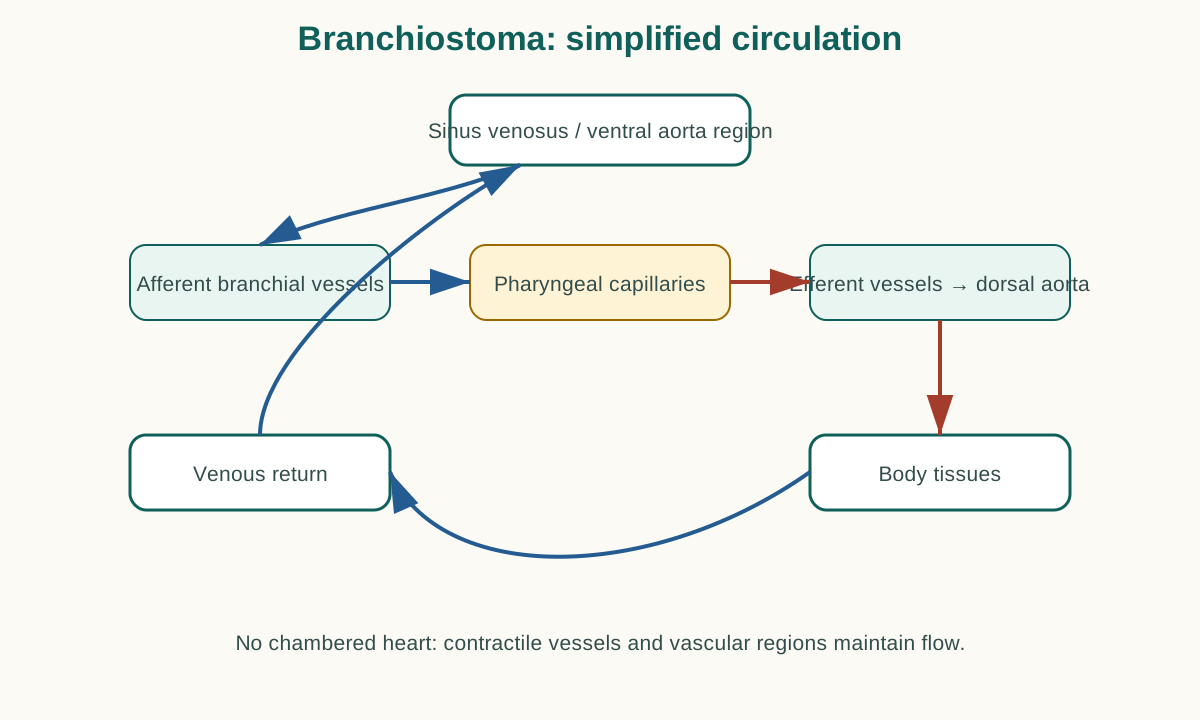
Branchiostoma closed vascular pattern দেখায়, কিন্তু true chambered heart নেই।
Contractile vessels blood move করে।
Simplified route:
Ventral vascular region
       ↓
Afferent branchial vessels
       ↓
Pharyngeal vascular network
       ↓
Efferent vessels
       ↓
Dorsal aorta
       ↓
Body
       ↓
Venous return
Blood
Classical descriptions অনুযায়ী blood সাধারণত colorless; vertebrate-like hemoglobin-rich red cells circulatory transport-এর principal basis নয়।
Why no heart?
Peristaltic/contractile vascular regions flow generate করে। এটি দেখায় centralized chambered heart ছাড়া closed circulation possible।
10. Respiration
Most gas exchange:
- body surface;
- pharyngeal/body vascular surfaces
এর মাধ্যমে হয়।
Small thin body এবং continuous seawater contact diffusion facilitate করে।
11. Excretory System
Excretory structures segmentally arranged protonephridial units-এর মতো, with solenocytes—flagellated excretory cells।
এই system vertebrate kidney-এর simple version নয়; evolutionarily distinct organization।
12. Nervous System and Sense Organs
Dorsal hollow nerve cord notochord-এর dorsal দিকে থাকে।
Anterior end সামান্য enlarged হলেও true vertebrate brain/cranium নেই।
Simple sensory structures:
- photoreceptor-like cells;
- epithelial sensory cells;
- mechanosensory structures।
Important comparative point
“Brain absent” মানে nervous coordination absent নয়; central nerve cord regionalized, কিন্তু vertebrate brain-level specialization নেই।
13. Reproduction and Development
Sexes separate।
- gonads numerous paired structures;
- gonoduct absent;
- mature gametes atrial cavity-তে released হয়;
- atriopore দিয়ে বাইরে যায়;
- external fertilization;
- embryo → free-swimming larva → adult।
14. Affinities: কীভাবে answer লিখবে?
Affinity answer কখনও শুধু similarity list নয়।
তিন ধাপ:
- shared characters;
- differences;
- interpretation।
15. Affinity with Vertebrates
Shared characters
- notochord;
- dorsal hollow nerve cord;
- pharyngeal slits;
- post-anal tail;
- segmental myotomes;
- dorsal aorta;
- endostyle–thyroid evolutionary relationship।
Major differences
- no cranium;
- no vertebral column;
- no true chambered heart;
- no jaws;
- no paired appendages;
- no elaborate paired sense organs;
- no vertebrate-type kidneys।
Interpretation
Branchiostoma vertebrate নয়, কিন্তু ancestral chordate body-plan features compare করার জন্য extremely informative।
16. Affinity with Tunicates
Shared:
- endostyle;
- pharyngeal filter feeding;
- chordate developmental architecture।
Differences:
- Branchiostoma adult-এ notochord ও nerve cord retain করে;
- adult ascidians metamorphosis-এর পর axial structures lose/reorganize করে।
Modern phylogeny
Morphology দেখে Branchiostoma vertebrates-এর closest-looking nonvertebrate chordate মনে হতে পারে। কিন্তু molecular phylogenomics Tunicata + Vertebrata = Olfactores support করে।
এটি একটি গুরুত্বপূর্ণ lesson:
Morphological resemblance এবং closest evolutionary sister relationship এক জিনিস নয়।
17. “Living ancestor” বলা ভুল কেন?
Branchiostoma modern living species। এটি কোনো modern vertebrate-এর direct ancestor নয়।
সঠিক ভাষা:
- “retains several ancestral-looking chordate features”;
- “useful comparative model for chordate body plan”;
- “early-branching living chordate lineage”。
ভুল ভাষা:
- “Branchiostoma became fish”;
- “Branchiostoma is the ancestor of human”।
18. ক-বিভাগ — Exam Capsule
Filter feeding কী?
জল থেকে suspended small food particles filtering/capturing করে খাদ্য গ্রহণকে filter feeding বলে।
Endostyle কী?
Pharyngeal floor-এর ciliated mucus-secreting groove, যা suspended food trap করে।
Myotome কী?
Body wall-এর serial segmental muscle block-কে myotome বলে।
Atriopore কী?
Atrium থেকে filtered water বাইরে যাওয়ার ventral external opening।
Solenocyte কী?
Branchiostoma-এর protonephridial excretory unit-এর flagellated terminal cell।
19. খ-বিভাগ — Model Answer
Branchiostoma-এর feeding mechanism সংক্ষেপে লিখ
Cilia water mouth দিয়ে pharynx-এ আনে। Oral cirri large particles screen করে। Endostyle mucus secretion করে; suspended food mucus-এ trapped হয়। Cilia mucus-food massকে epipharyngeal groove হয়ে esophagus-এ পাঠায়। Filtered water pharyngeal slits দিয়ে atrium-এ যায় এবং atriopore দিয়ে বের হয়।
20. গ-বিভাগ — Model Long Answer 1
“Filter feeding কী? Branchiostoma-এর feeding mechanism বর্ণনা কর।”
Introduction
Branchiostoma একটি ciliary suspension feeder।
Structures
oral cirri, buccal cavity, velum, pharynx, endostyle, gill slits, epipharyngeal groove, atrium, atriopore।
Mechanism
- cilia water আনে;
- oral cirri coarse filtering করে;
- water pharynx-এ যায়;
- endostyle mucus তৈরি করে;
- particles mucus-এ আটকে যায়;
- cilia food cord dorsal route-এ নেয়;
- food esophagus-এ যায়;
- water slits দিয়ে atrium এবং atriopore দিয়ে বাইরে যায়।
Conclusion
Water flow এবং food flow pharynx-এ শুরু হলেও পরে পৃথক route নেয়।
21. গ-বিভাগ — Model Long Answer 2
“Branchiostoma-এর affinities আলোচনা কর।”
Vertebrate-like features
notochord, dorsal nerve cord, pharyngeal slits, post-anal tail, myotomes, dorsal aorta।
Non-vertebrate differences
cranium/vertebrae/heart/jaw/paired appendages absent।
Tunicate similarities
endostyle ও pharyngeal suspension feeding।
Modern interpretation
Cephalochordata early-branching living chordate lineage; Tunicata is closer to Vertebrata in current molecular phylogeny।
Conclusion
Branchiostoma evolutionary ladder-এর “half-vertebrate” নয়; independent chordate lineage retaining informative ancestral traits।
22. Common Mistakes
- Branchiostoma-কে fish বলা।
- True heart আছে বলা।
- Gill slitsকে primary fish-like respiratory gills বলা।
- Food atriopore দিয়ে বের হয় লেখা।
- Gonoduct আছে বলা।
- Branchiostomaকে “direct ancestor of vertebrates” লেখা।
23. Quick Revision Matrix
| Structure | Function |
|---|---|
| oral cirri | screen large particles |
| endostyle | mucus trap |
| pharyngeal slits | filtered water → atrium |
| atriopore | water exit |
| epipharyngeal groove | food transport |
| hepatic diverticulum | digestion/absorption |
| myotomes | axial locomotion |
| solenocytes | excretion |
| notochord | axial support |
24. Self-Test
Branchiostoma adult-এ সব five chordate hallmark থাকলেও vertebrate নয় কেন?
Vertebrate diagnostic innovations—cranium, vertebral column and multiple derived organ-system features—absent।Water এবং food কোথায় পৃথক হয়?
Pharyngeal filtering system-এ। Food mucus-এ retained হয়; water slits দিয়ে atrium-এ যায়।Closest-looking এবং closest-related কি একই?
না। Branchiostoma morphology vertebrate-like, কিন্তু modern molecular phylogeny Tunicata-কে Vertebrata-এর sister lineage হিসেবে support করে।25. Transfer Challenge
একটি animal adult-এ notochord retain করে, large pharyngeal filter আছে, segmented myotomes আছে, কিন্তু cranium ও vertebral column নেই।
Question: Vertebrata নাকি Cephalochordata?
Answer: Cephalochordata। Chordate hallmarks alone vertebrate diagnosis-এর জন্য যথেষ্ট নয়।
26. Research-backed Update Notes
- Modern work confirms suspension feeding and complex digestion, including phagocytic intracellular digestion in the hepatic diverticulum.
- Cephalochordates retain a highly informative chordate body plan but are not living ancestors.
- Tunicates, not cephalochordates, are the closest living sister lineage of vertebrates in modern phylogenomics.
References for Course Authors / Verification
- National University Zoology syllabus, paper 223101.
- OpenStax Biology 2e, Chordates.
- Peer-reviewed research on phagocytic intracellular digestion in Branchiostoma.
- Modern chordate phylogenomics literature.
Next Lecture
Lecture 04 — Myxine and Petromyzon: living jawless vertebrates, cyclostome comparison, ammocoete larva and lamprey life cycle.